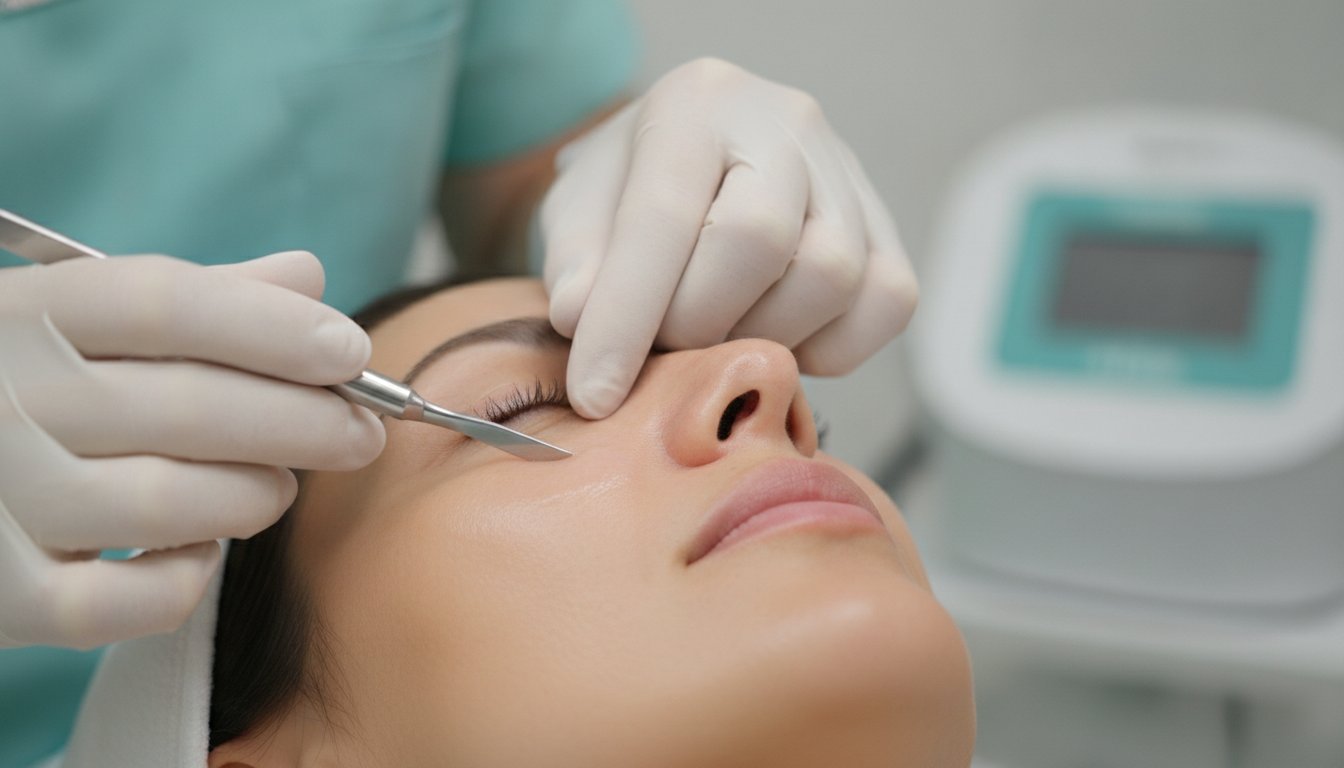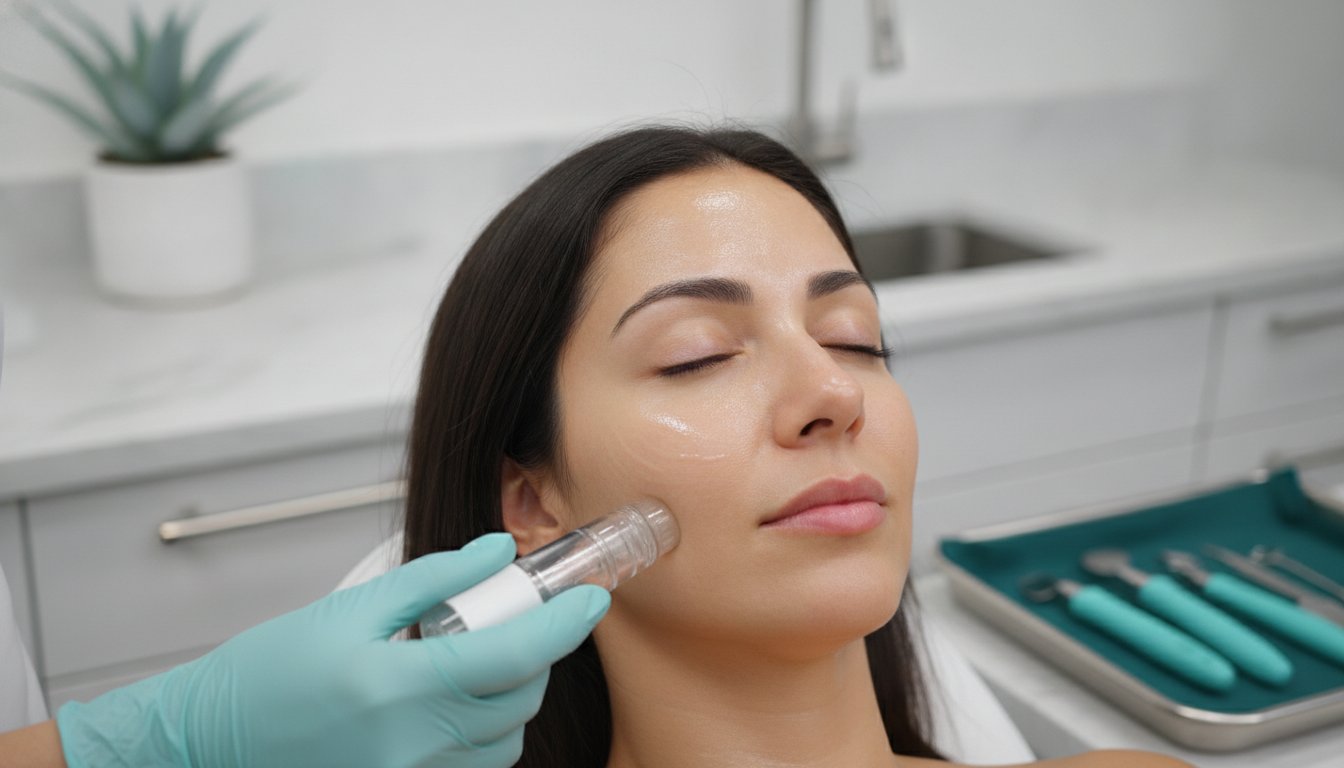

A 38% rise in filler complications from non-physician injectors in 2025 serves as a vital reminder that safety in aesthetic medicine is never a coincidence. You want to feel refreshed and revitalized, not unrecognizable. It's completely natural to feel a sense of anxiety about the potential risks of dermal fillers or the fear of permanent damage that can stem from unlicensed care.
This guide provides a physician-led perspective on how to move through the clinical environment of 2026, ensuring you can achieve natural facial balancing while prioritizing your long-term health. We will explore the difference between common side effects and rare complications like vascular occlusion, clarify how FDA-approved Restylane products differ from neuromodulators like Xeomin, and outline the exact criteria for selecting a qualified medical injector here in Austin. By the end, you'll have the confidence to choose a path that enhances your natural features through a collaborative, evidence-based partnership.
Key Takeaways
- Learn to distinguish between expected post-treatment swelling and the serious risks of dermal fillers, including how to identify a rare medical emergency like vascular occlusion.
- Understand why advanced anatomical training is your most important safety net when seeking subtle facial balancing or lip filler.
- Master the pre-treatment steps and post-care rules that protect your health and ensure your results remain precisely where they belong.
- Gain clarity on the 2026 Texas oversight standards so you can select a physician-led team that prioritizes clinical precision over industry trends.
- See how an individualized assessment and the use of the Restylane Collection lead to sophisticated, revitalized outcomes that enhance your natural beauty.
Common Side Effects vs. Rare Medical Risks: What to Expect
Viewing dermal fillers as simple beauty products overlooks their clinical reality. These are FDA-regulated medical devices designed for deep tissue integration. When you choose a treatment like the Restylane Collection, you're opting for a sophisticated gel that interacts with your unique facial anatomy. It's essential to distinguish between the body's natural inflammatory response and actual common side effects and risks of dermal fillers. This distinction helps you manage expectations. As of 2023, more than 25,000 adverse event reports were submitted to the FDA's MAUDE database, highlighting why professional oversight is non-negotiable for your safety.
Your personal medical history plays a silent but significant role in your safety profile. Recent dental work, for example, can increase the risk of delayed inflammatory nodules because bacteria from the mouth may enter the bloodstream and settle near the filler site. Similarly, a history of severe allergies or autoimmune conditions requires a careful, individualized assessment before any product is administered. By treating these procedures with the clinical respect they deserve, we minimize the risks of dermal fillers while maximizing your aesthetic results.
To better understand the medical context behind these procedures, watch this helpful video:
The Standard Side Effects: Bruising and Swelling
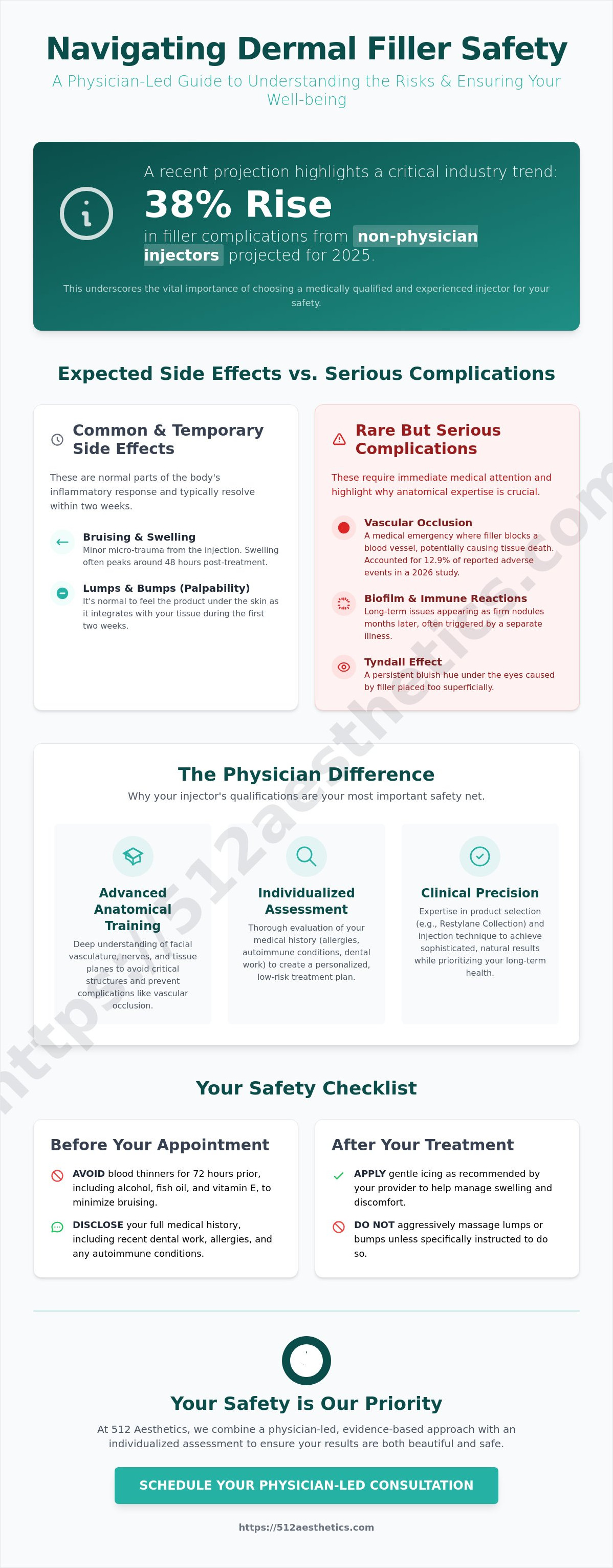
Every injection involves a needle or cannula passing through delicate tissue, which inevitably causes minor micro-trauma. This is the primary source of what we call "social downtime." You'll likely notice that swelling peaks around the 48-hour mark as your body responds to the presence of the new material. Certain lifestyle factors can significantly increase the visibility of bruising. For example, consuming alcohol or taking supplements like fish oil and vitamin E within 72 hours of your appointment thins the blood and makes vessels more prone to leaking. We often recommend clinical-grade aftercare and gentle icing to manage these temporary changes as your skin heals and the risks of dermal fillers are minimized through proper preparation.
The Lumps and Bumps: Understanding Palpability
It's common to feel the product under your skin during the first two weeks. This is the period of integration, where the hyaluronic acid begins to bond with your natural water molecules and settle into the tissue. While small, soft bumps are often part of this settling process, hard or painful nodules could signal an inflammatory reaction or a chronic immune response. You should never attempt to "massage out" a lump unless specifically instructed by your provider. Aggressive manipulation can displace the filler or, in worse cases, cause trauma to the area. Professional aesthetic services prioritize a "less is more" approach to ensure the gel integrates smoothly for a natural, soft-to-the-touch finish.
Serious Complications: From Migration to Vascular Occlusion
While dermal fillers are generally safe, understanding the more serious risks of dermal fillers is a prerequisite for any informed client. A 2026 retrospective study found that while complications remain statistically rare, vascular occlusion accounted for 12.9% of reported adverse events in clinical settings. This occurs when product is accidentally injected into a blood vessel, potentially leading to tissue death or skin necrosis. For detailed safety standards, you can review the official FDA information on dermal filler risks to understand how these medical devices are monitored and the importance of anatomical expertise.
Beyond immediate emergencies, some complications manifest much later. Biofilm formation or chronic immune reactions were identified as the most common long-term issues in 2026 clinical data. These can appear as firm nodules months after your appointment, often triggered by a separate immune event like a viral illness. Additionally, the Tyndall Effect occurs when filler is placed too superficially under the eyes, causing a persistent bluish hue as light scatters through the gel. Selecting a provider who understands the nuances of light and tissue depth is essential for a revitalized, natural look.
Identifying a Vascular Emergency
Clinical precision is the only defense against a vascular event. If blood flow is compromised, the skin may exhibit sudden blanching (whitening) or a mottled, lace-like pattern known as livedo reticularis. Severe, disproportionate pain is often the first warning sign. There is a "Golden Window" for intervention, typically within the first few hours, where the enzyme Hyaluronidase can be used to dissolve the gel and restore circulation. We maintain comprehensive emergency reversal protocols on-site to ensure every treatment is backed by immediate medical readiness. If you have concerns about your previous results, a professional facial balancing assessment can determine if a corrective approach is necessary.
Aesthetic Risks: Over-Filling and Migration
True craftsmanship involves knowing when to stop. "Filler fatigue" is a term used to describe the subtle sagging that occurs when tissue is over-stretched by excessive volume over many years. This often leads to filler migration, such as the "filler mustache" above the lip line, where the product moves away from its original placement. We focus on structural support rather than isolated plumping to maintain the integrity of your skin. This philosophy ensures your results remain sophisticated and aligned with your natural anatomy, preventing the "overdone" look that many clients fear. Proper product choice, such as selecting the right density from the Restylane Collection, is a critical step in preventing these aesthetic risks of dermal fillers.
The Physician Difference: Why Your Injector is Your Best Safety Net
Your choice of injector is the single most important variable in your safety profile. In 2025, the American Society of Plastic Surgeons reported a 38% increase in filler complications specifically attributed to non-physician injectors. This statistic underscores why the risks of dermal fillers are often tied more to the hand holding the syringe than the product inside it. Texas remains one of the states with the strictest injector laws in 2026, requiring that procedures be performed by board-certified physicians or licensed professionals under direct medical supervision.
A sophisticated outcome begins with a deep respect for what lies beneath the skin. In March 2026, the FDA reiterated that deep-plane filler injections for the cheeks and chin should only be performed by injectors with advanced anatomic training. This guidance followed a rise in vascular complications elsewhere in the industry. By choosing a physician-led team, you're ensuring that your provider understands exactly where facial nerves and vessels reside, effectively neutralizing the most significant risks of dermal fillers before the treatment even begins.
Boutique practices offer a level of individualized care that volume-based chain clinics often struggle to replicate. In a smaller setting, the focus shifts from meeting monthly quotas to achieving precise, revitalized results through a collaborative partnership. This environment allows for a thorough consultation that serves as a risk-screening tool, identifying potential contraindications like recent dental work or immune sensitivities that might otherwise be overlooked in a rushed setting.
Clinical Authority vs. Boutique Warmth
Our philosophy centers on a refined blend of clinical authority and boutique warmth. We believe that a medical environment doesn't have to feel cold or sterile to be safe. Every individualized assessment we conduct is designed to enhance your natural features while maintaining a high standard of professional credibility. For those seeking a deeper dive into our methodology, explore Dermal Fillers in Austin: The Sophisticated Guide to see how we prioritize natural-looking rejuvenation through evidence-based care.
Choosing an Injector in the Austin Area
Finding the right partner for your aesthetic journey in Central Texas requires looking beyond the price tag. "Cheap filler" is often the most expensive investment you can make when you consider the cost of corrective work or the mental toll of a poor result. During your consultation, ask your provider about their specific protocols for managing complications and their adherence to dermal filler safety guidelines. A truly skilled specialist is often the one who is willing to say "no" to a procedure if it doesn't align with your long-term health or aesthetic goals. This commitment to safety is what defines a premium aesthetic services experience.
The Safety Checklist: How to Minimize Risks Before and After
Safety is a collaborative effort between the provider and the client. While we handle the clinical precision, your preparation at home sets the stage for a smooth recovery and a sophisticated result. To mitigate the risks of dermal fillers, we look at your schedule weeks in advance. We recommend a two-week buffer between your filler appointment and any dental cleanings or vaccinations. These events can trigger an immune response or introduce bacteria into the bloodstream, which may lead to delayed-onset nodules or localized inflammation around the product.
Long-term maintenance involves more than just the initial appointment. It requires a steady, intentional approach to monitoring how the product integrates with your tissue over time. If you notice subtle changes in your facial contours or signs of migration months later, it's often a sign that your maintenance plan needs adjustment. By adhering to a strict clinical checklist, you ensure that your journey toward a revitalized look remains both safe and predictable.
Preparation: The 7-Day Lead-Up
Avoiding alcohol for at least 24 hours prior to your appointment is essential as it prevents blood thinning and significantly reduces the likelihood of post-injection bruising.
Certain over-the-counter supplements can increase your bleeding risk and should be paused seven days before your visit. These include:
- Fish oil and Omega-3 fatty acids
- Vitamin E
- Ginkgo Biloba
- St. John’s Wort
- High doses of Garlic
If you have an active skin infection, a cold sore, or a rash near the treatment area, it's vital to reschedule your appointment. Injecting through compromised skin introduces a high risk of infection and can complicate the healing process. We prioritize your health over your timeline to ensure the best possible outcome.
Post-Care: Protecting Your Investment
The first 24 to 48 hours are critical for ensuring the gel settles exactly where it was intended. We advise sleeping on your back with your head slightly elevated to minimize swelling and prevent any accidental pressure on the treated areas. Intense exercise, saunas, and direct sun exposure should be avoided for the first full day. High heat can dilate blood vessels and exacerbate swelling, while vigorous movement might displace the product before it has fully integrated into the tissue. This level of care is standard for all our aesthetic services.
Monitoring your results for risks of dermal fillers is just as important as the initial healing. While most side effects like tenderness are temporary, certain symptoms require immediate attention. Contact the clinic if you experience:
- Severe or increasing pain that doesn't respond to relief
- Skin that feels unusually cold to the touch or looks pale
- Significant redness or heat that develops several days after treatment
- Vision changes or signs of a skin rash away from the injection site
By following these clinical guidelines, you empower yourself to achieve a revitalized and natural-looking outcome. If you're ready to begin your journey with a personalized safety plan, book your consultation with 512 Aesthetics today.
Subtle Revitalization: The 512 Aesthetics Safety Philosophy
True aesthetic excellence is found at the intersection of clinical safety and artistic restraint. At 512 Aesthetics, we believe that the most effective way to minimize the risks of dermal fillers is to adopt a "less is more" philosophy. By focusing on structural support rather than just adding volume, we avoid the heavy, overfilled look that often leads to product migration or tissue stretching. Our approach is rooted in the idea of subtle revitalization, where the goal is to look like a refreshed version of yourself, not a different person entirely.
We rely on evidence-based standards to guide every injection. This includes a preference for the Restylane Collection, known for its predictable integration and refined texture. By utilizing products with a proven safety profile, we can achieve sophisticated results that align with your natural anatomy. Every client receives a unique anatomical roadmap, ensuring that the placement of every syringe is intentional and medically sound. This individualized assessment philosophy is what allows us to deliver high-end customization while maintaining the highest standard of professional credibility.
The Art of Facial Balancing
Restoring the natural contours of your face requires more than just filling lines. It involves a holistic view of your features. Our Facial Treatments at 512 Aesthetics prioritize facial balancing, which addresses the root cause of aging, such as volume loss, rather than just the symptoms. This method significantly reduces the risks of dermal fillers by distributing product strategically across the mid-face and jawline. This creates a lifted, revitalized appearance without the need for excessive amounts of gel that can lead to "filler fatigue" over time.
Start Your Journey with a Physician Consultation
Moving from education to action is a significant step in your aesthetic journey. It begins with a comprehensive physician-led assessment where we discuss your aesthetic objectives and medical history in detail. We don't believe in one-size-fits-all treatments. Instead, we create a personalized plan that respects your unique bone structure and skin quality. This collaborative partnership ensures you feel empowered and informed at every stage of the process, lowering the barrier for those who might be hesitant about specific procedures.
Safety is our baseline, but your confidence is our ultimate objective. We take the time to explain the science behind your treatment, from the choice of product to the specific injection technique used. If you're ready to experience a boutique approach to aesthetic medicine that prioritizes your well-being, schedule your aesthetic consultation in Austin. Let's work together to create a revitalized, natural-looking plan that honors your individuality and ensures your results are as safe as they are beautiful.
Your Path to Confident, Subtle Rejuvenation
Choosing an aesthetic treatment is a significant decision that should be rooted in clarity rather than compromise. By understanding the risks of dermal fillers, you've taken the first step toward a safer, more sophisticated outcome. You now know that clinical precision, rigorous pre-care, and a "less is more" philosophy are the most effective tools for preventing complications and achieving a revitalized look that feels entirely like you.
At 512 Aesthetics, we bridge the gap between medical expertise and artistic craftsmanship. Led by Board-Certified Physician Dr. Saima Jehangir, our boutique Austin practice specializes in subtle, natural-looking results backed by on-site emergency reversal protocols. We don't just provide injections; we offer a collaborative partnership designed to enhance your self-assurance through evidence-based care and individualized attention. Your safety and your aesthetic goals are our highest priorities.
Ready to begin your journey with a specialist who prioritizes your health as much as your beauty? Book Your Physician-Led Filler Consultation in Austin today and discover the difference that expert clinical oversight makes for your peace of mind.
Frequently Asked Questions
Can dermal fillers cause permanent blindness or stroke?
Yes, permanent blindness or stroke are rare but documented risks of dermal fillers when product is accidentally injected into a facial artery. This occurs because the filler can travel back to the ophthalmic artery, blocking blood flow to the eye or brain. Choosing an injector with deep anatomical knowledge is the most effective way to prevent this catastrophic event from occurring during your treatment.
How do I know if my filler has migrated?
You can identify filler migration by looking for a loss of definition or a shelf-like appearance outside the original treatment area. In the lips, this often looks like a "filler mustache" or a subtle protrusion above the natural border. Migration typically occurs when too much product is used or if the gel is placed in the wrong anatomical plane for your specific tissue type.
Is it safe to get dermal fillers if I have an autoimmune disease?
Safety depends on your specific condition and whether your disease is currently active. Because fillers are foreign bodies, they can potentially trigger an inflammatory response or a flare in those with sensitive immune systems. We always require a thorough medical consultation and often suggest coordinating with your specialist before proceeding with any injectable treatment to ensure your health remains the priority.
What happens if I don’t like my filler results?
If you aren't satisfied with your outcome, hyaluronic acid fillers from the Restylane Collection can be partially or fully dissolved. We use an enzyme called hyaluronidase to break down the gel, which typically takes effect within 24 to 48 hours. This reversibility provides a significant safety net that isn't available with permanent or semi-permanent filler options, giving you complete control over your look.
Can I get dermal fillers while pregnant or breastfeeding?
It is not recommended to receive dermal fillers while pregnant or breastfeeding. There are currently no clinical studies that prove the safety of these medical devices for developing fetuses or nursing infants. Most professional practices will advise waiting until you have finished breastfeeding to resume your aesthetic treatments to avoid any unnecessary risks of dermal fillers during this sensitive time.
How long do the risks of swelling and bruising actually last?
While the peak of social downtime usually occurs at 48 hours, most swelling and bruising resolve within 7 to 14 days. You can expect initial tenderness to fade quickly, but the product takes about two full weeks to integrate completely into your facial tissue. If you still see significant lumps or unusual discoloration after 14 days, it's time for a follow up assessment with your provider.
Are there long-term risks to getting fillers every year?
Receiving fillers annually can eventually lead to "filler fatigue," where the skin and underlying tissues lose their natural elasticity from repeated over-stretching. Over many years, this can actually contribute to the appearance of sagging rather than rejuvenation. We focus on facial balancing and conservative maintenance to ensure your skin remains healthy and your results stay natural as you age.
What is the most dangerous area of the face to inject?
The glabella, or the area between your eyebrows, is widely considered the most dangerous zone for filler injections due to its complex network of arteries. Accidental injection here carries a higher risk of vascular occlusion and vision loss. Other high-risk areas include the nasolabial folds and the temples, where critical blood vessels reside close to the skin surface, requiring expert anatomical precision.