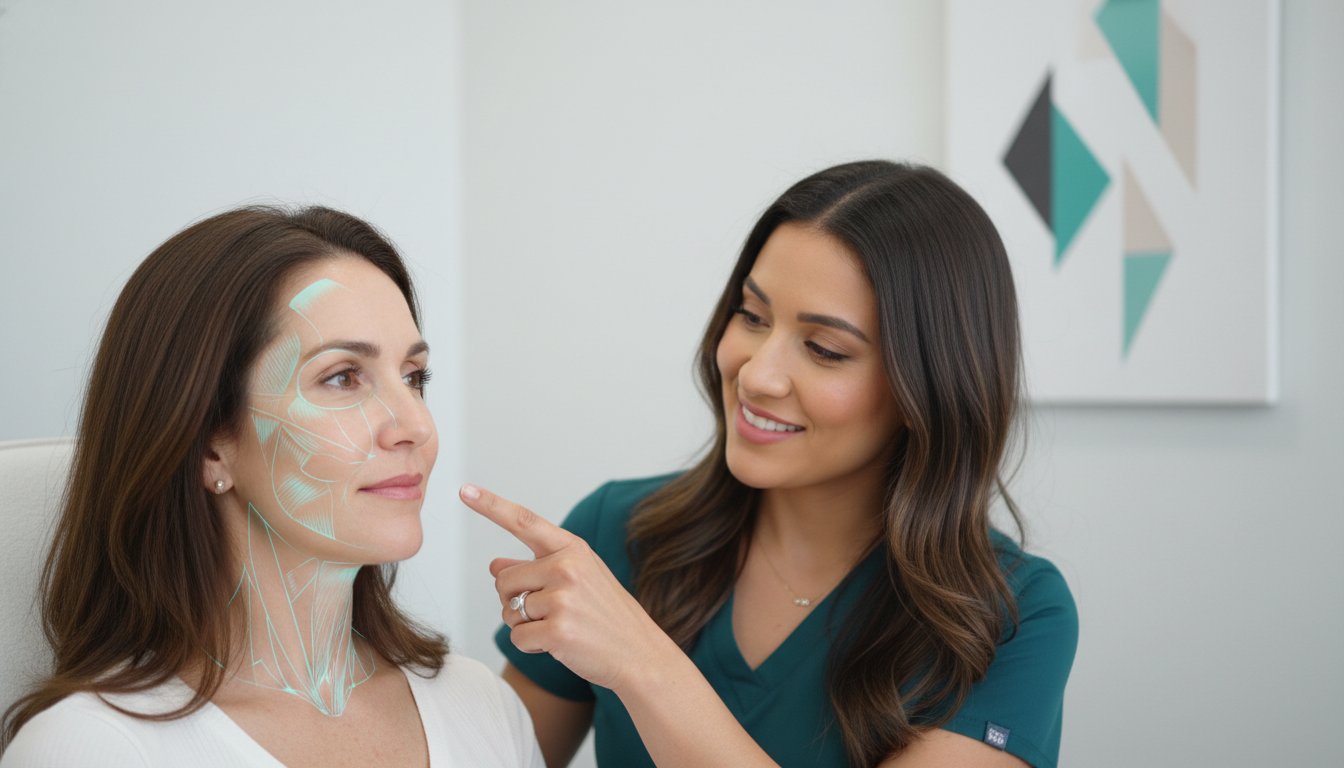
With the American Society of Plastic Surgeons reporting a 38 percent increase in filler complications in 2025, the conversation around aesthetic safety has moved toward long term structural integrity. It's common to feel a sense of unease when a once crisp result begins to look soft or puffy after several months. Effective filler migration prevention is not about avoiding treatment; it's about embracing a physician led approach that prioritizes anatomical precision over sheer volume.
You deserve to feel empowered by your reflection, knowing your refreshed appearance is rooted in medical expertise rather than fleeting trends. In this guide, you'll master the science of filler stability and learn how strategic placement keeps your Restylane or facial balancing results subtle and secure. We'll preview the latest 2026 safety standards and explain how our Austin based team uses clinical craftsmanship to maintain your natural features, ensuring your aesthetic journey is both safe and revitalizing.
Key Takeaways
- Understand how hyaluronic acid integrates with your natural tissue and why anatomical boundaries are essential for maintaining product stability.
- Identify high-risk zones like the periorbital region and the "lip shelf" to better advocate for precise, deep-plane placement.
- Discover how filler migration prevention is anchored in physician-led product selection, utilizing the Restylane Collection for its superior structural support.
- Learn the critical 72-hour aftercare rules, including how physical pressure and sleeping positions impact your final silhouette.
- Recognize the signs that you may need a "filler reset" using hyaluronidase to safely dissolve old product before starting a fresh, revitalized plan.
The Science of Filler Migration: Why Aesthetic Products Move
Product displacement begins where anatomical boundaries end. True filler migration occurs when a gel moves into an adjacent anatomical compartment, often due to improper depth or excessive volume. To understand The Science of Filler Migration, we must look at how hyaluronic acid (HA) interacts with the complex architecture of the face. While HA is designed to integrate seamlessly with your natural tissue, it remains a gel that responds to physical forces within the dermis.
When too much volume is introduced into a confined space, hydrostatic pressure builds. This pressure forces the gel to seek the path of least resistance, often traveling along fascial planes or into more superficial layers. This is why physician led filler migration prevention focuses on structural placement rather than simply saturating an area with product. Overfilling doesn't just create an overdone look; it compromises the biological boundaries that keep your results crisp and localized.
To better understand this concept, watch this helpful video explaining the mechanics of product movement:
In delicate areas like the tear troughs, migration often reveals itself through the Tyndall Effect. This occurs when filler moves into the very superficial dermis, causing light to scatter and creating a subtle, bluish hue under the skin. It's a clear clinical signal that the product's depth has shifted, requiring a professional assessment to restore a revitalized appearance.
Migration vs. Filler Fatigue: Knowing the Difference
Many clients mistake filler fatigue for migration. Repeatedly overfilling the same area can eventually stretch the skin and weaken the surrounding tissue, leading to a heavy, sagging appearance that mimics displacement. Differentiating between natural volume loss due to aging and actual product movement is key. At 512 Aesthetics, we prioritize aesthetic services that respect your skin's elasticity. We don't treat structural fatigue with more filler, as that often worsens the problem.
The Role of Muscle Activity in Product Displacement
Your face is a landscape of constant motion. High mobility zones, particularly around the mouth where the orbicularis oris muscle is active, can physically push filler out of place over time. This dynamic movement is why we select specific rheologies, or gel thicknesses, for different areas. A filler used for a sharp jawline isn't appropriate for the lips because it lacks the flexibility to move with your smile without migrating. Choosing the right product for the right muscle group is a cornerstone of modern filler migration prevention.
Identifying High-Risk Zones: Lips, Tear Troughs, and the Midface
Anatomy dictates where beauty stays. While dermal fillers are designed to enhance your natural contours, certain facial regions possess unique structural challenges that require a master's touch. High mobility areas or zones with thin tissue are naturally more susceptible to displacement. Understanding these vulnerabilities is the first step in effective filler migration prevention, as it allows for a more strategic, individualized treatment plan. Adhering to The Physician-Led Prevention Framework ensures that every placement respects the complex vascular and muscular networks of your face.
The midface and jawline are often overlooked but carry significant risk for product "drift." In the nasolabial folds, the constant pull of gravity combined with frequent smiling can cause filler to shift upward or outward, creating a heavy appearance. Similarly, jawline filler can sometimes lose its sharp definition and blur into the neck if not placed with anatomical precision. The FDA reiterated in March 2026 that deep-plane cheek and chin treatments should only be performed by injectors with advanced anatomic training, highlighting the need for a physician led approach in these structural zones.
The Perioral Region: Preventing the "Moustache" Look
The vermillion border is the delicate edge of your lips that should act as a natural barrier. When too much product is injected or the technique is too superficial, the filler can breach this border and migrate into the skin above the upper lip. This creates the dreaded "filler moustache" or a shelf-like projection. Maintaining a crisp, natural lip contour requires a deep understanding of the orbicularis oris muscle. We focus on preserving the structural integrity of the lip edge by using conservative volumes and precise depths, ensuring your lip filler remains exactly where it belongs.
Under-Eye Vulnerability: Edema and Malar Mounds
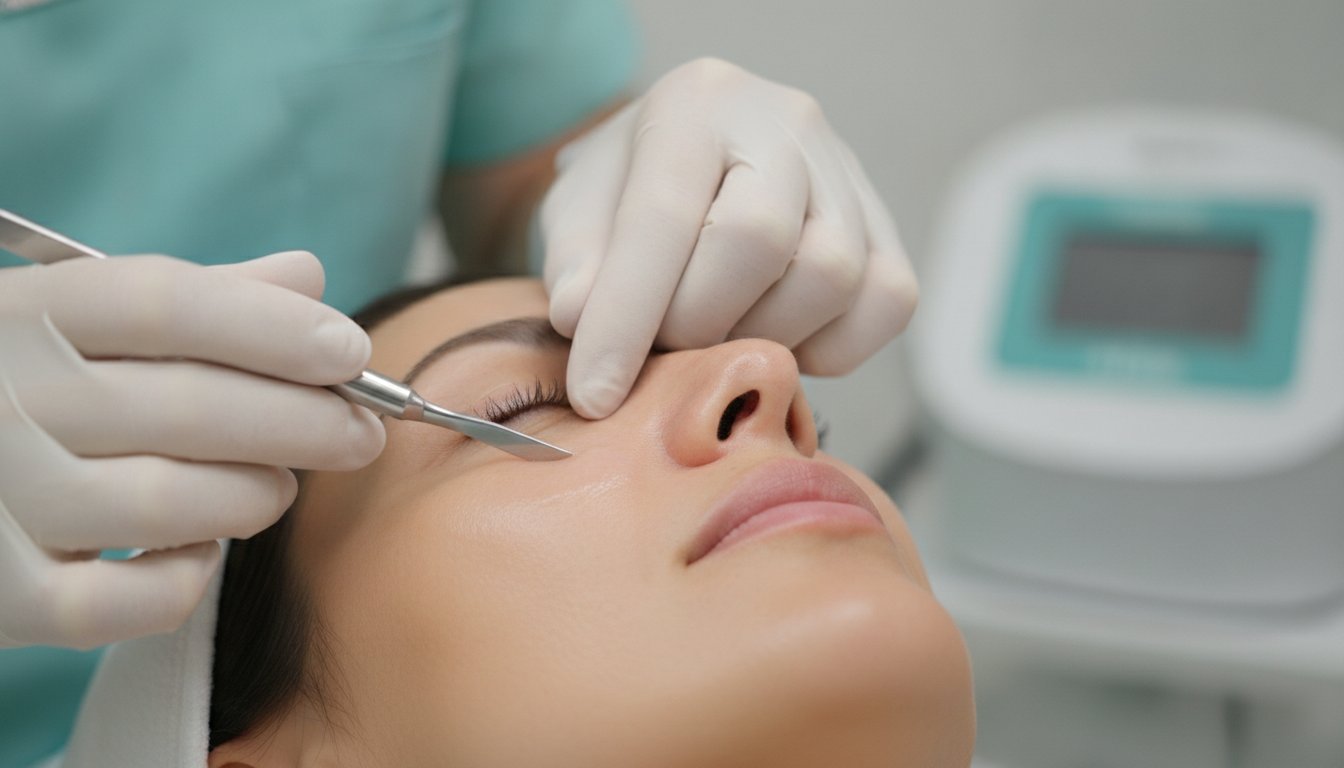
The skin in the periorbital region is among the thinnest on the body, making it highly sensitive to product movement. If filler is placed too superficially in the tear troughs, it can obstruct natural lymphatic drainage. This often results in chronic puffiness or the development of malar mounds, which are soft swellings on the upper cheek. To avoid these complications, the gold standard is supraperiosteal placement, where filler is positioned deep against the bone. This technique provides support from beneath, creating a refreshed and revitalized look without the risk of surface level migration or persistent edema. If you're noticing a loss of definition in these areas, a professional assessment can help determine if your current results still align with your aesthetic goals.
The Physician-Led Prevention Framework: Precision Over Volume
Expert results are the product of medical discipline. At 512 Aesthetics, every journey begins with a board-certified physician-led assessment that looks beyond the surface to the underlying bone structure and fat pads. This medical oversight is the most critical component of filler migration prevention. By understanding the unique resistance of your facial tissues, we can determine the exact volume and depth required to maintain stability. We often lean on the Restylane Collection because its range of gels allows for high-end customization, offering the specific G-prime needed for structural support or the flexibility required for dynamic movement.
Precision placement involves more than just choosing the right spot; it requires injecting into the correct anatomical plane. Placing product too superficially is a primary driver of displacement. By targeting deeper sub-muscular layers when necessary, we anchor the filler against the bone, providing a foundation that resists the pull of gravity and muscle activity. This commitment to depth is central to Long-Term Strategies for Filler Stability, ensuring your results remain crisp for months to come. We also champion a "slow and steady" philosophy, often staging treatments over multiple sessions to allow the tissue to integrate the product safely without the pressure of overfilling.
Customized Assessment and Facial Balancing
A "cookie-cutter" approach to aesthetics is often the root cause of migration. When an injector treats every face with the same pattern, they ignore the individual support points of the patient's bone structure. Our focus on Facial Balancing prevents migration by distributing volume across multiple planes rather than saturating a single area. This holistic method ensures that the face is supported from within, using the natural fat pads as guides for placement rather than just filling empty space. By balancing the chin, cheeks, and jawline together, we create a harmonious silhouette that stays localized.
Advanced Injection Techniques: Cannula vs. Needle
The tools we use are as important as the products we select. Micro-cannulas are often preferred for their ability to glide through tissue with minimal trauma, which reduces the internal swelling that can displace filler early on. We utilize techniques like retrograde linear threading to create a stable "mesh" of product within the skin, providing a subtle and revitalized outcome. For areas requiring significant lift, "bolus" injections provide deep structural support that stays put. This blend of craft and clinical science ensures that your enhancement feels like a natural part of your anatomy rather than an addition to it.

Aftercare and Lifestyle: Long-Term Strategies for Filler Stability
The hours following your injection are just as vital as the procedure itself. While the gel is expertly placed, it requires time to integrate with your tissue and settle into its intended position. Effective filler migration prevention relies heavily on managing the initial inflammatory response. Swelling is a natural part of the healing process, but excessive edema can put physical pressure on the product, potentially nudging it toward adjacent areas before it has fully stabilized. We focus on a gentle recovery phase to ensure that your results remain as crisp as they were the moment you left the chair.
Adhering to the 72-hour rule is non-negotiable for long term success. During this window, the filler is at its most malleable. Applying physical pressure through deep-tissue treatments or even sleeping on your side can inadvertently shift the product. We recommend sleeping on your back with your head slightly elevated to ensure that gravity works in your favor. There is also a persistent myth that you should "massage" your filler to smooth out lumps. You should never touch or manipulate your own injections. If you feel an area of concern, it's essential to let your physician handle any adjustments to avoid unintended displacement.
Austin's unique climate adds another layer to the recovery process. Our intense Texas heat and high humidity can increase vascularity and prolong swelling. If you're heading out into the Austin sun too soon, you may find that the increased blood flow to the face exacerbates the initial inflammatory phase. Staying in a temperature-controlled environment for the first few days helps keep your recovery on track and your results exactly where they were placed. This careful start is the foundation for a revitalized, natural appearance that lasts.
Maintenance and Follow-Up Protocols
Consistency is the secret to a refreshed silhouette. We prioritize a two-week follow-up appointment to assess how the product has integrated once all swelling has subsided. To keep your skin healthy and resilient over your filler, regular Facial Treatments can help maintain the dermal environment. For those seeking a long-term, subtle approach, our Elite Membership Club offers a structured way to manage low-volume maintenance, preventing the "overfilled" look that often leads to migration. If you're ready to create a personalized plan for lasting, stable results, schedule your consultation with our Austin experts today.
Exercise and High-Impact Activity
Wait for the green light before returning to your active Austin lifestyle. While a gentle walk is fine, high-impact activities like hiking Barton Creek or intense South Austin yoga sessions should be paused for at least 48 to 72 hours. Heavy lifting often involves intense facial straining, and these rhythmic muscular contractions can put unnecessary stress on fresh filler. Hydration is also a key factor. Because HA fillers are hydrophilic, they attract water. Proper hydration keeps your results looking plump and revitalized, while dehydration can make the skin look hollow and cause you to feel like you need more product than you actually do.
Restoring Your Natural Silhouette: The "Filler Reset" at 512 Aesthetics
Acknowledging that your aesthetic results have shifted is the first step toward reclaiming your natural beauty. Over time, product can blur the lines of your silhouette, leading to a loss of the crisp definition you once enjoyed. At 512 Aesthetics, we view a filler reset not as a setback, but as a sophisticated opportunity to refine and revitalize your appearance. This process is the ultimate form of filler migration prevention for the future. It allows us to clear the anatomical landscape of old, poorly integrated product before building a new, more stable foundation.
The core of this reset is hyaluronidase, a specialized enzyme that safely breaks down hyaluronic acid. When administered by a physician, this treatment acts with precision, targeting only the migrated gel without affecting your natural tissue. Choosing to start with a clean slate often yields results that look significantly more natural than simply trying to "fix" a migrated area with more volume. Under the guidance of Dr. Saima Jehangir, we prioritize your long-term aesthetic health, ensuring that every subsequent treatment respects your unique facial architecture and personal desires.
The Dissolving Process: What to Expect
Your journey to a fresh start begins with a focused consultation at our Austin clinic. During the dissolving appointment, the enzyme is strategically injected into the areas where migration is visible. You might notice the product softening almost immediately, though the full effect takes a few days to stabilize. Your skin may look slightly hollow or "empty" once the old volume is gone, but this is a temporary phase of the transition. We require a mandatory two week waiting period before re-injecting. This allows all inflammation to resolve and ensures the hyaluronidase has finished its work, providing a predictable canvas for your new treatment plan.
Building a Sustainable Aesthetic Plan
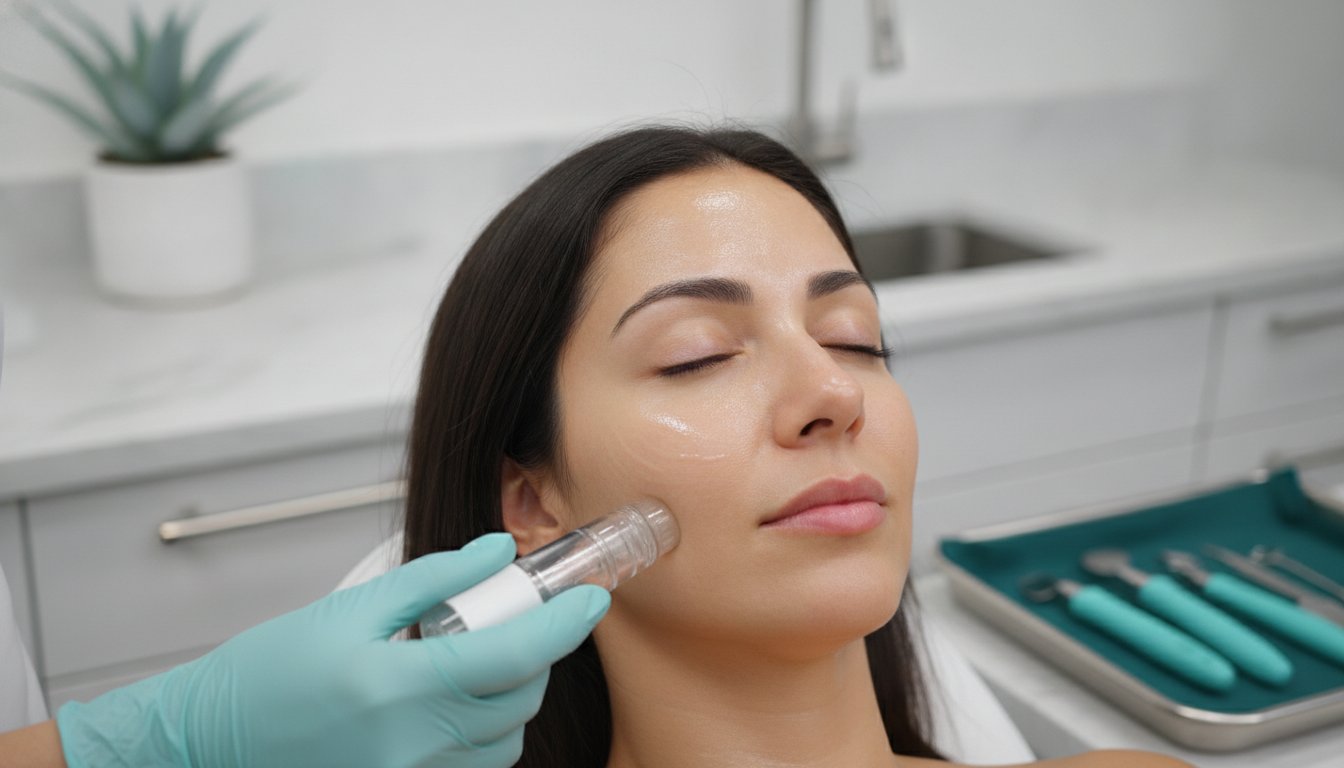
Prevention is a partnership that lasts well beyond your first appointment. Once we've achieved a clean slate, we prevent recurrence through conservative dosing and the selection of products with high structural integrity. We often recommend integrating Microneedling for Skin Rejuvenation into your routine. This helps improve skin elasticity and collagen density, providing a firmer "envelope" that holds filler in place more effectively. By focusing on the health of the skin alongside the precision of the injectable, we create a sustainable, physician led plan that keeps you looking refreshed and authentically yourself for years to come.
Secure Your Aesthetic Future with Precision
Your aesthetic journey is an investment in your self-assurance, and protecting that investment requires a commitment to medical precision. We've explored how understanding anatomical planes and respecting the 72-hour aftercare window are the pillars of long-term stability. True filler migration prevention isn't just about the product used; it's about the hand that guides it. By prioritizing structural placement and conservative volumes, you can maintain a refreshed look that feels entirely like you.
At 512 Aesthetics, we're proud to be a private, physician-owned boutique practice in Austin led by board-certified physician Dr. Saima Jehangir. Our focus remains on subtle, revitalized outcomes that enhance your natural features without compromise. Whether you're starting a new plan or seeking a "filler reset" to restore your silhouette, we're here to provide the expert care you deserve. It's time to move beyond the fear of the "overdone" look and embrace a scientifically backed approach to beauty.
Book a Physician-Led Consultation for Natural-Looking Fillers in Austin
Take the next step toward a more confident, revitalized version of yourself with a partner who values your unique anatomy as much as you do.
Frequently Asked Questions
Can filler migration happen years after my initial injection?
Yes, filler migration can occur several years after your treatment. Clinical research using MRI imaging has demonstrated that hyaluronic acid can persist in facial tissues much longer than the traditional 6 to 12 month window. Over time, the cumulative effect of muscle activity or changes in your natural fat pads can nudge this lingering product into adjacent anatomical compartments.
Is lip filler migration always visible as a "mustache" shadow?
No, migration presents in several ways beyond the classic "mustache" shadow above the lip. You might notice a loss of the sharp vermillion border, a feeling of bulkiness inside the lip, or a "shelf" that projects forward when viewed from the profile. Sometimes, it simply appears as a subtle loss of the natural, revitalized shape you initially achieved.
Does sleeping on my side cause filler to move to one side of my face?
Sleeping on your side primarily poses a risk during the first 72 hours after your procedure. During this critical window, the gel is still integrating with your tissue and is more susceptible to physical displacement. For effective filler migration prevention, we recommend sleeping on your back for the first few nights to ensure the product settles exactly where it was intended.
Can I fix migrated filler without dissolving it entirely?
Fixing true migration almost always requires dissolving the misplaced product before starting over. Attempting to "balance" a migrated area by adding more filler usually increases hydrostatic pressure, which often forces the product further out of place. A clean slate approach ensures your new results are structural and subtle rather than just masking a previous complication.
Is it true that certain filler brands migrate more than others?
The risk of migration is more closely linked to product rheology and placement than the brand name itself. A very stiff gel intended for the jawline may migrate if placed in the highly mobile lip area. We utilize the Restylane Collection because it offers various levels of flexibility and support, allowing for a hand-selected approach tailored to your specific muscle activity.
How much does it cost to dissolve and refill migrated filler in Austin?
The cost for a filler reset in Austin varies based on the amount of hyaluronidase required and the volume of new product used. Since every patient's needs are individualized, we recommend a personalized assessment to determine the scope of your correction. You should check with your provider for a detailed breakdown that reflects your specific revitalized objectives and treatment plan.
Will my skin look saggy after I dissolve my migrated filler?
Your skin will generally return to its natural state without sagging after the filler is dissolved. Hyaluronic acid is a naturally occurring substance, and your skin's inherent elasticity allows it to adjust once the excess volume is removed. If you've had significant overfilling for many years, we might suggest pairing your reset with microneedling to support collagen density and skin firmness.
How soon after a filler reset can I see my final results?
You can expect to see the final results of a filler reset approximately two weeks after your new injections. The dissolving process works quickly, often within 24 to 48 hours, but we wait 14 days before re-injecting to ensure all enzymes are inactive and any swelling has subsided. This patient approach is a cornerstone of filler migration prevention and ensures your new silhouette is stable and refreshed.