The most effective way to soothe your reactive complexion might actually involve a surgical-grade blade. If you have spent years avoiding traditional facials because of the inevitable redness or felt your skin sting at the mere mention of a chemical peel, you aren't alone. You likely find yourself wondering: is dermaplaning safe for sensitive skin, or is it just another recipe for irritation? In reality, this manual exfoliation method is often the "Goldilocks" solution for delicate types because it bypasses the heat and harsh active ingredients that typically trigger a flare-up.
We understand the hesitation that comes with a fragile skin barrier. It's frustrating when your makeup clings to rough patches or when "peach fuzz" seems to dull your natural radiance. This physician-led guide explores how a professional dermaplaning treatment provides a controlled, precise path to silky smooth texture without compromising your skin's health. You'll discover how this specialized approach helps your expensive serums finally absorb properly and why, in 2026, the industry is moving away from aggressive chemicals toward this gentle, mechanical alternative. We will walk you through a safety-first plan to achieve a revitalized glow that feels as good as it looks.
Key Takeaways
- Understand why a precision surgical blade is often more predictable and gentle for reactive complexions than chemical acids or thermal laser treatments.
- Learn how to determine if dermaplaning is safe for sensitive skin by assessing your barrier health and identifying specific triggers like controlled rosacea.
- Discover the benefits of a physician-led protocol, including a lipid-preserving double-cleanse and specialized "oil" techniques for maximum comfort.
- Achieve a silky smooth texture that allows your high-end serums to penetrate deeper and your makeup to sit flawlessly on the skin.
- Master the essential post-treatment rules and sun protection strategies required to protect your revitalized results in the Central Texas climate.
Understanding Dermaplaning for Delicate Complexions
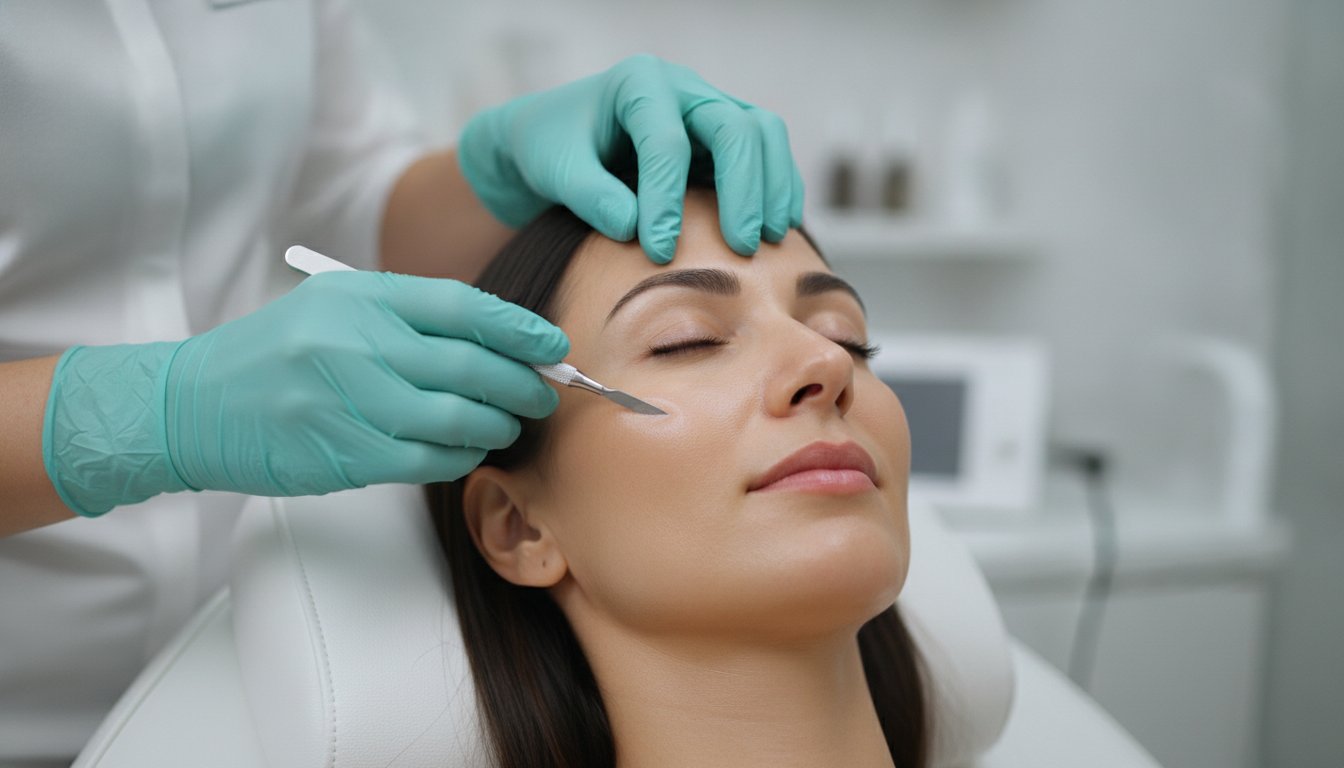
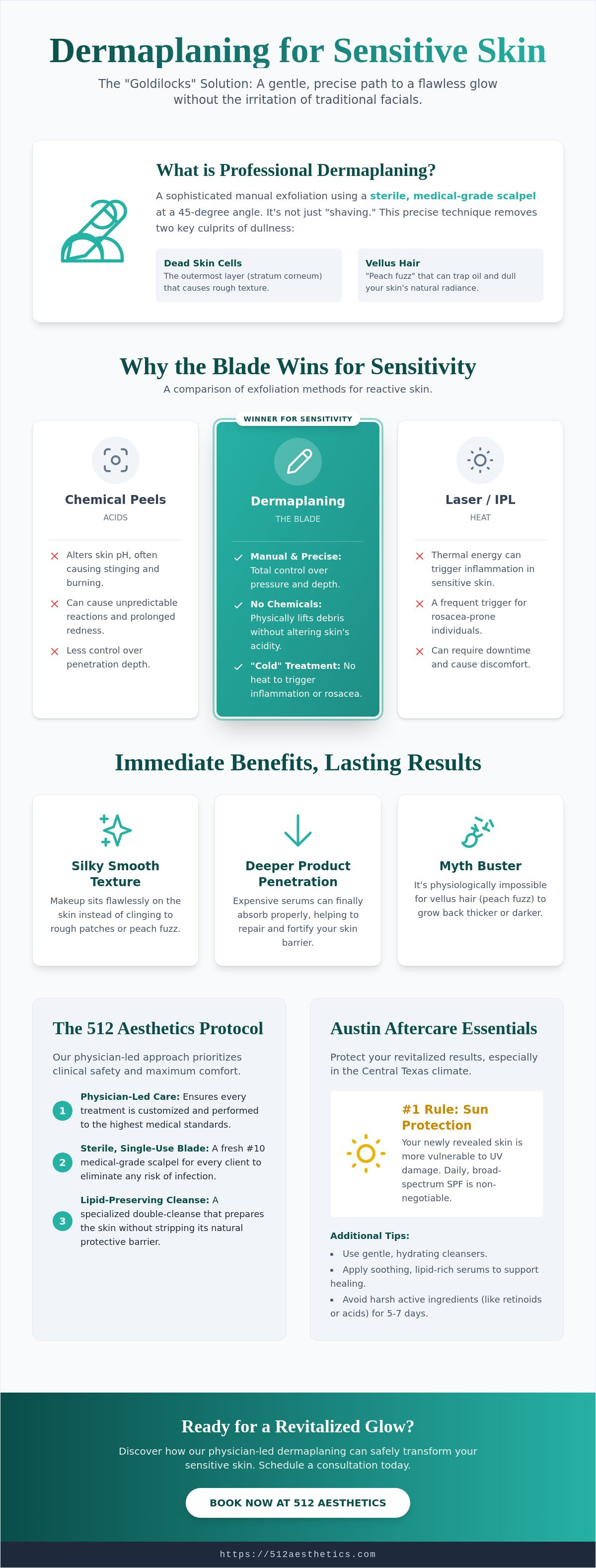
Dermaplaning is often misunderstood as just shaving the face, but it's actually a sophisticated form of mechanical exfoliation that uses a sterile, medical-grade scalpel. By gently gliding the blade at a 45-degree angle, a specialist removes the stratum corneum, which is the outermost layer of dead skin cells, along with vellus hair, commonly known as peach fuzz. This dual-action process instantly reveals a smoother surface that reflects light more evenly, giving you that sought-after, lit-from-within glow without the need for aggressive chemicals.
To see a professional perspective on the benefits and potential drawbacks of this treatment, watch this helpful video:
Precision is the primary reason why many clients wonder, is dermaplaning safe for sensitive skin. Unlike chemical exfoliants that can seep into the skin and cause unpredictable reactions, or lasers that use heat to trigger change, dermaplaning is entirely manual. This means your provider has absolute control over the pressure and depth of the treatment. If an area looks slightly pink or reactive, the specialist can simply bypass it or adjust their technique instantly. This level of customization makes it an exceptionally safe choice for those who usually fear the burn of traditional facial treatments.
The Anatomy of a Gentle Glow
At 512 Aesthetics, we prioritize safety by using a sterile, single-use #10 blade for every session. This medical-grade tool allows for a clean, precise sweep across the epidermis without the risk of cross-contamination or infection. We focus on subtle, revitalized outcomes rather than aggressive peeling. You won't leave with raw or weeping skin; instead, your face will feel soft and look refreshed. We also want to put a common myth to rest: vellus hair does not have the same structure as terminal hair. It's physiologically impossible for it to grow back thicker or darker after a professional treatment, so you don't have to worry about unwanted stubble.
Sensitive vs. Sensitized Skin
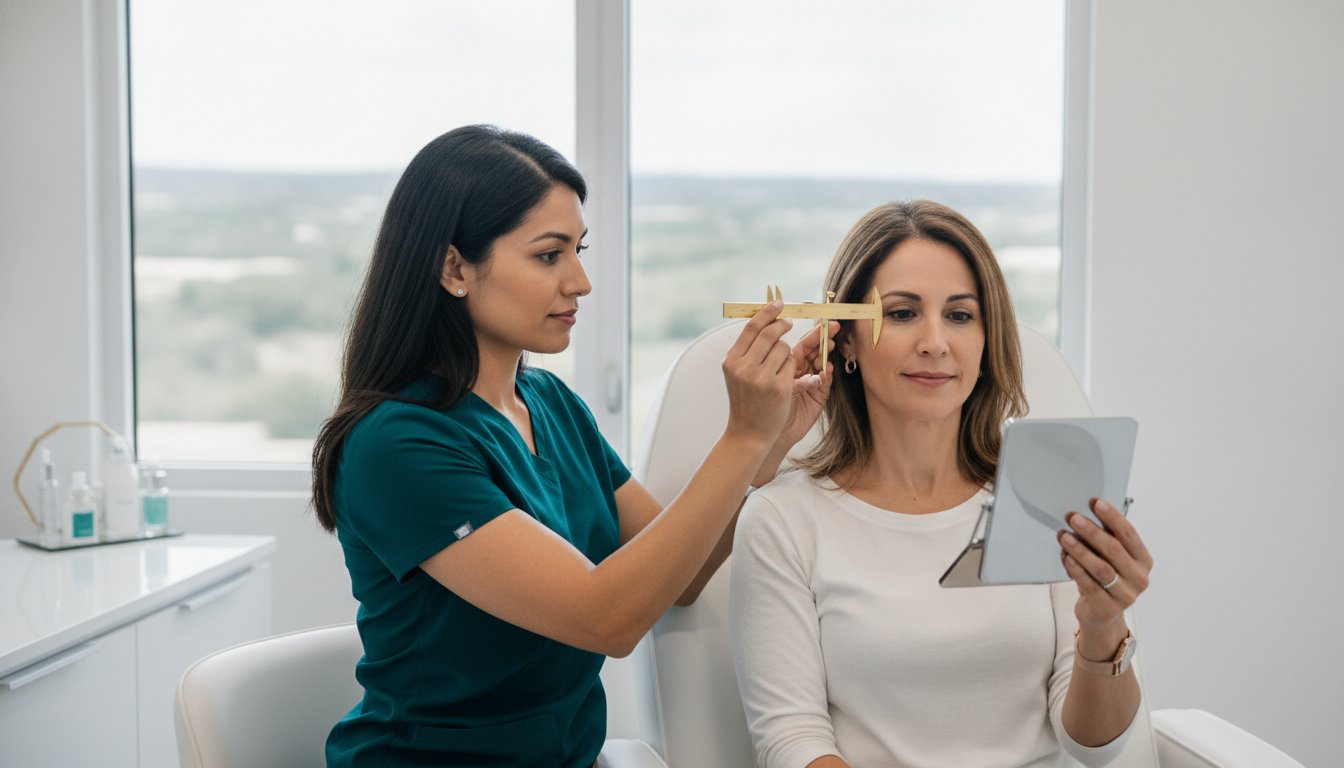
Determining if your skin is truly sensitive or merely sensitized is a crucial part of our individualized assessment. True sensitive skin is a genetic trait characterized by a thinner barrier and a tendency toward redness. Sensitized skin is a temporary condition often caused by environmental damage or over-using harsh products. This assessment helps us answer the question, is dermaplaning safe for sensitive skin, for each unique guest who walks through our doors. Dermaplaning can actually help strengthen a healthy skin cycle by encouraging cell turnover in a controlled environment. By removing the barrier of dead cells, your soothing, lipid-rich serums can finally reach the layers where they're needed most, helping to repair and fortify your skin over time.
Mechanical vs. Chemical: Why the Blade Wins for Sensitivity
Chemical exfoliation often relies on lowering the skin's pH to break cellular bonds, a process that can be aggressive for those with a compromised barrier. For many people, the answer to is dermaplaning safe for sensitive skin lies in its mechanical nature. By physically lifting away debris without altering the skin’s acidity, we avoid the stinging and prolonged redness associated with traditional acids. This approach ensures your skin remains calm while achieving a level of smoothness that chemicals can’t always provide in a single session.
Beyond the chemical aspect, dermaplaning is a "cold" treatment. It avoids the thermal energy used in lasers or Intense Pulsed Light (IPL), which frequently triggers inflammation in rosacea-prone individuals. While there are potential risks if performed by an untrained hand, a physician-led environment ensures the blade remains at the precise depth necessary for revitalized results. Once that surface barrier is removed, professional-grade Circadia products can finally penetrate the epidermis, delivering essential nutrients exactly where they're needed.
Avoiding the Chemical Trigger
Sensitive skin frequently rebels against alpha-hydroxy acids (AHAs) or beta-hydroxy acids (BHAs) because they can penetrate unpredictably into the pores. A blade, however, stays strictly on the surface. This mechanical method offers the benefit of zero downtime, making it a perfect "lunchtime" procedure for those who can't afford the shedding phase of a medical-grade peel. Dermaplaning is a cold treatment, making it ideal for rosacea-prone skin that reacts poorly to heat. It's a reliable way to maintain your glow without the unpredictability of a chemical reaction.
Controlled Exfoliation Depth
Microdermabrasion was once the standard for physical exfoliation, but its reliance on suction can be disastrous for skin with broken capillaries or thin dermal layers. Dermaplaning eliminates this risk entirely. The aesthetician maintains total control over the pressure and angle, ensuring the treatment is as gentle as a feather's touch. By integrating this into a facial Austin routine, we can tailor the experience to your specific sensitivity levels. If you're ready to see how this precision can transform your texture, consider a personalized consultation to map out your skin health journey.
Identifying Your Skin Readiness: When to Dermaplane
Timing is everything. While the answer to is dermaplaning safe for sensitive skin is often a resounding yes, it's vital to assess your current skin state before proceeding. We use a simple traffic light system to guide our clients toward the most revitalized outcomes. This ensures we never compromise your barrier for the sake of a temporary glow. A 2019 study in the Journal of Clinical and Aesthetic Dermatology concluded that this treatment has a strong safety profile when performed by a trained professional, but that safety depends on identifying the right moment for the blade.
- Green Light: You're an ideal candidate if you're struggling with dullness, a rough skin texture that makeup clings to, or fine vellus hair (peach fuzz).
- Yellow Light: If you have controlled rosacea or mild sensitivity, we can often proceed with a modified technique. This requires a highly skilled hand to ensure we don't trigger a flare-up.
- Red Light: We ask you to wait if you have active cystic acne, a fresh sunburn, or an eczema flare. The blade can spread bacteria or further irritate inflamed lesions, making it better to reschedule once your skin has calmed.
A common fear among those with delicate complexions is the risk of razor burn. It's a valid concern if you've ever tried to shave your own face with a drugstore razor. However, a professional Dermaplaning procedure is entirely different. We use a single-use, surgical-grade scalpel held at a precise angle. This ensures the blade doesn't skip or drag, which is the primary cause of irritation and "burn" in non-professional settings. You won't experience the tugging or friction associated with multi-blade razors.
Navigating Active Breakouts
We take a cautious approach with active acne. If you have inflamed pustules or cysts, we avoid those specific areas to prevent the spread of bacteria. There is a significant difference between exfoliating dry, flaky patches and irritating an active lesion. If your skin is currently too reactive for the blade, we offer alternative facials that can soothe inflammation and clear congestion without manual exfoliation. This keeps your safety as the top priority.
The Role of the Physician Consultation
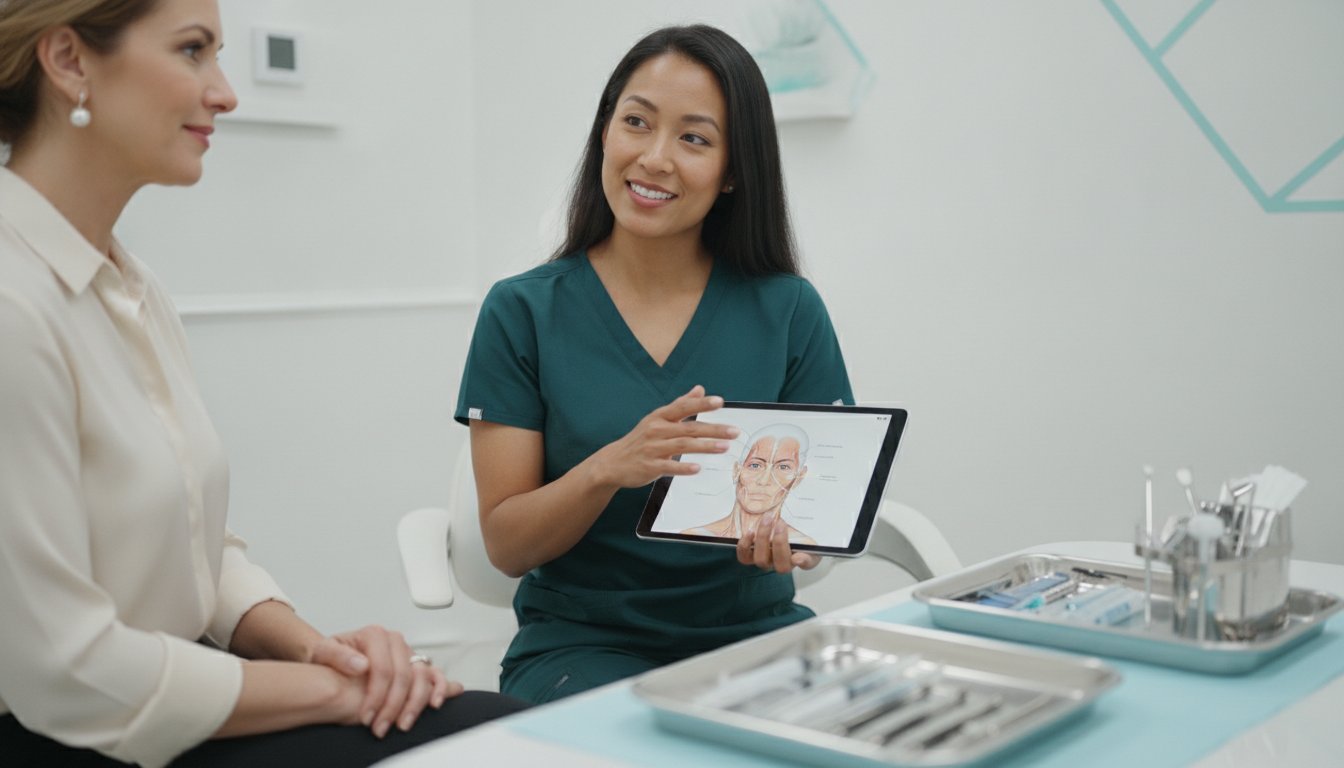
Choosing a physician-led practice adds an extra layer of security for those who aren't sure if their skin can handle treatment. We don't believe in a one-size-fits-all approach. By conducting a thorough skin evaluation, we can determine if is dermaplaning safe for sensitive skin in your specific case or if we should focus on barrier repair first. We invite you to explore our full range of aesthetic services to see how we create personalized, evidence-based plans for every guest. This collaborative partnership ensures you achieve a silky smooth texture without the fear of a negative reaction.
The 512 Aesthetics Protocol: Clinical Safety & Boutique Care
Experience matters when you're considering a surgical blade near your face. Our protocol is designed to answer the question, is dermaplaning safe for sensitive skin, through a series of intentional, protective steps. We don't just start with the blade; we begin by preparing the canvas to ensure the highest level of comfort and efficacy. Our meticulous process is the reason why the answer to is dermaplaning safe for sensitive skin is a confident yes in our care.
Step 1 involves a meticulous double-cleanse. We use lipid-preserving formulas that remove environmental debris and makeup without stripping the essential oils your skin needs to stay resilient. Once the skin is pristine, we move to Step 2: selecting the technique. While "dry" dermaplaning is standard, we often utilize an "oil" dermaplaning method for our sensitive guests. By applying a thin layer of specialized facial oil, we create a buffer that allows the blade to glide even more effortlessly, minimizing any potential for friction-induced redness.
Step 3 is where the artistry meets science. Using precise, rhythmic strokes, our specialists remove dead cells and vellus hair. Finally, in Step 4, we infuse the newly receptive skin with a customized blend of calming peptides and antioxidants. This immediate replenishment helps soothe the epidermis and locks in a revitalized glow that feels as good as it looks.
Sterility and Precision
Safety is never an afterthought in our Austin studio. We maintain rigorous medical-grade hygiene standards that far exceed what is possible in a home environment. Many people try DIY methods with cheap plastic tools, but this often leads to the nicks and irritation that patients fear. At 512 Aesthetics, we use a new, sterile #10 surgical blade for every single patient. This ensures the edge is perfectly sharp and completely free of contaminants, providing a level of precision that protects your delicate barrier.
Enhancing the Experience
We believe that medical-grade results should feel like a luxury ritual. You can elevate your results by combining dermaplaning with a HydroDiamond Facial for the ultimate hydration boost. This combination allows the HydroDiamond technology to work more effectively on a freshly exfoliated surface. Our boutique warmth approach ensures you feel cared for, not just processed. Our providers prioritize a collaborative partnership, listening to your aesthetic goals and adjusting every detail to your comfort level. If you're ready to experience this level of expert care, schedule your clinical consultation today to see how we can revitalize your natural features.
Austin Aftercare: Protecting Your Glow in the Texas Heat
The treatment doesn't end when you leave the chair. In Central Texas, the intensity of the sun and humidity adds an extra layer of responsibility to your skincare routine. While we've established that the answer to is dermaplaning safe for sensitive skin is a resounding yes, that safety is maintained through diligent aftercare. Your freshly exfoliated skin is revitalized but temporarily more vulnerable to UV damage and environmental heat. Following a physician-vetted protocol ensures your results stay flawless without a hint of irritation.
We emphasize a strict 24-hour rule for all our guests. During this window, your skin needs peace to settle and recalibrate its natural barrier. You should avoid any products or activities that induce heavy sweating or expose you to high temperatures. Focus on barrier-repair ingredients like ceramides and hyaluronic acid for at least the first 72 hours. These essential lipids and humectants lock in moisture and support the epidermis as it recovers from the mechanical exfoliation process.
Sun protection is non-negotiable in our climate. With the high UV index often found in Austin, an SPF of 30 or higher must be applied every single morning, even if you plan to stay indoors. Physical blockers containing zinc oxide or titanium dioxide are typically best for sensitive types. These ingredients sit on top of the skin to reflect rays rather than absorbing into the tissue, which minimizes the risk of a heat-induced reaction on your newly smooth surface.
The First 48 Hours
You'll want to avoid Barton Springs or intense gym sessions for at least two days. Sweat can act as an irritant on newly exfoliated skin, potentially leading to the very redness we worked to avoid. It's also essential to skip your retinol, AHAs, or any harsh physical scrubs for 3 to 5 days. Instead, lean on physician-vetted Circadia retail products that are specifically formulated to nourish and protect delicate complexions without triggering a flare-up.
Long-term Sensitive Skin Health
Consistency always beats intensity when managing a delicate complexion. We recommend returning every 4 to 6 weeks to mirror your skin's natural cellular turnover cycle. This regular cadence keeps your texture silky smooth without over-stressing the barrier. For those looking to advance their results, dermaplaning serves as an excellent foundation for other services like microneedling for skin rejuvenation. This combination can further enhance your glow once the surface is clear of debris. We invite you to experience the subtle, revitalized outcomes that come from a physician-led approach, ensuring that the answer to is dermaplaning safe for sensitive skin remains a positive one for your unique beauty journey.
Embrace Your Most Radiant Surface
Achieving a silky smooth texture shouldn't come at the cost of comfort or safety. You've discovered how the precision of a medical-grade blade provides a controlled exfoliation that chemical alternatives simply can't match for reactive types. By prioritizing barrier health through our specialized oil techniques and customized Circadia skincare, we ensure your delicate skin remains calm and resilient. When you partner with a physician-owned and operated practice, the question of whether is dermaplaning safe for sensitive skin is met with rigorous medical-grade sterile protocols and an individualized assessment. These high standards allow you to enjoy the subtle, revitalized outcomes you deserve without the fear of irritation. You don't have to navigate your skin health journey alone or settle for a dull complexion. We invite you to experience a collaborative partnership where your personal aesthetic goals and safety are our highest priorities.
Book your personalized dermaplaning consultation at 512 Aesthetics today and discover the confidence that comes with a professional, boutique approach to medical-grade skin health. We look forward to helping you reveal your most luminous, revitalized self.
Frequently Asked Questions
Is dermaplaning painful for people with sensitive skin?
No, dermaplaning is a painless procedure that often feels like a gentle scraping or brushing sensation across the face. Most clients find the rhythmic motion of the medical-grade blade to be quite relaxing. Because it only targets the dead surface cells and fine vellus hair, there is no pulling or tugging of the living tissue. This makes it a comfortable choice even for those with lower pain thresholds who worry about traditional exfoliation methods.
How often can I get dermaplaning if my skin is reactive?
For reactive skin types, we typically recommend a session every 4 to 6 weeks to align with your natural cellular turnover. This interval allows your skin barrier to fully recover and maintain its strength between treatments. While some might be tempted to go more often, consistency is more important than frequency. We monitor your barrier health at each visit to ensure your skin remains resilient and revitalized through a steady, professional cadence.
Will dermaplaning cause my face to turn bright red?
Most clients experience only a very mild, temporary pinkness that typically subsides within a few hours of the treatment. If you are wondering if dermaplaning is safe for sensitive skin without causing extreme flushing, the answer lies in our controlled, manual technique. Unlike chemical peels or heat-based lasers, this mechanical method doesn't trigger the same inflammatory response. We use calming post-treatment serums to ensure you leave looking refreshed rather than irritated.
Can I do dermaplaning at home with a store-bought razor?
We strongly advise against using store-bought razors for dermaplaning at home, as they lack the precision and sterility of professional tools. Consumer "shapers" often have jagged edges that can cause micro-tears and significant irritation on delicate complexions. In a clinical setting, we use a single-use surgical scalpel at a specific angle to ensure a smooth glide. This professional approach protects your skin from the nicks and infections common with at-home attempts.
What happens if I have a rosacea flare-up during my appointment?
If you arrive with an active rosacea flare-up, we will typically postpone the dermaplaning portion of your treatment to avoid aggravating the inflammation. Our physician-led approach prioritizes your long-term skin health over a quick result. In these cases, we can pivot to a soothing, anti-inflammatory facial that focuses on calming the skin and reducing redness. We only proceed with mechanical exfoliation once your barrier is stable and the flare-up has completely subsided.
Can I get dermaplaning if I am using prescription skin creams?
You can still receive dermaplaning while using prescription creams, but you must stop using active topicals like tretinoin or high-strength acids for 3 to 5 days before your session. This pause prevents your skin from being overly sensitized before the blade is used. We always review your current regimen during our consultation to ensure that is dermaplaning safe for sensitive skin in the context of your specific medical-grade products and personal health history.
Will dermaplaning make me more sensitive to the sun?
Yes, dermaplaning temporarily increases your sensitivity to the sun because it removes the outermost protective layer of dead skin cells. This makes wearing a physical SPF 30 or higher absolutely essential, especially in the intense Central Texas heat. Your "new" skin is more susceptible to UV damage for the first few days after treatment. We recommend extra caution, wearing wide-brimmed hats, and seeking shade immediately following your visit to protect your smooth results.
How soon can I apply makeup after a dermaplaning session?
It is best to wait at least 24 hours before applying makeup to your freshly exfoliated skin. This window allows your pores to remain clear and your barrier to begin its natural recovery process without interference from cosmetic pigments or potentially irritating ingredients. When you do resume your makeup routine, you'll notice that products glide on much more smoothly. Foundation and concealer sit flawlessly on your revitalized surface, providing a more natural and polished appearance.